
Ethical Beef Cattle Raising: Best Practices

Raising beef cattle ethically is essential for producing high-quality meat and maintaining sustainable farming practices. Ethical beef cattle raising means treating animals with respect, providing proper nutrition, and managing the land responsibly. It also means ensuring animal welfare and environmental care go hand in hand. I will share best practices that help achieve these goals on a small-scale family farm like Greenfields Farmers.
Understanding Ethical Beef Cattle Raising
Ethical beef cattle raising focuses on the well-being of the animals and the environment. It involves providing cattle with enough space to roam and graze naturally. It also means avoiding overcrowding and stress, which can affect the health of the animals and the quality of the beef.
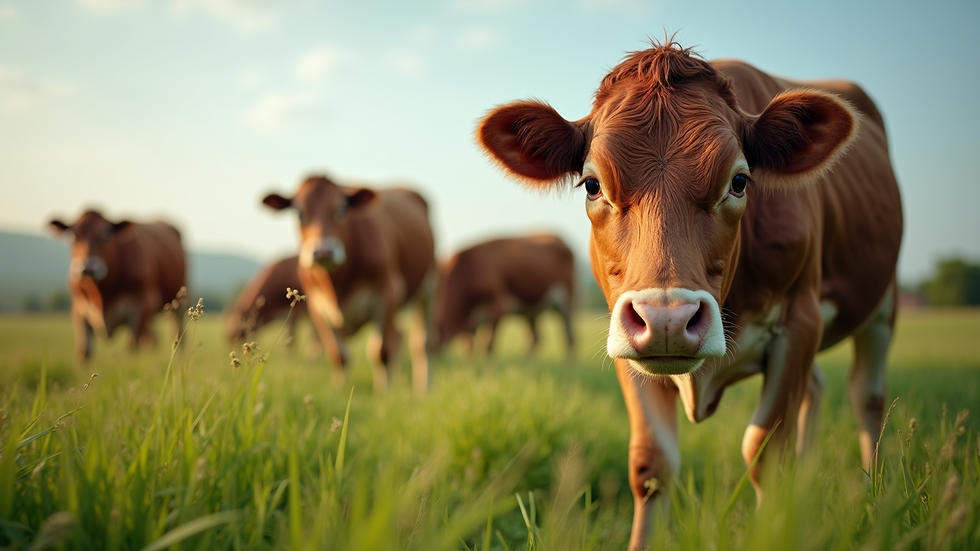
At Greenfields Farmers, we prioritize pasture-based systems. Our cattle graze on lush, sustainable pastures that provide natural nutrition. This method supports animal health and reduces the need for antibiotics or growth hormones. It also helps maintain soil health and biodiversity.
Key elements of ethical beef cattle raising include:
Providing clean water and nutritious feed
Ensuring comfortable shelter from extreme weather
Regular health checks and humane handling
Rotational grazing to prevent overgrazing
Minimizing environmental impact through waste management
These practices create a cycle of care that benefits the cattle, the land, and the consumer.
Feeding and Nutrition for Ethical Beef Cattle Raising
Proper nutrition is critical for raising healthy cattle. Ethical beef cattle raising requires a diet that mimics natural grazing as closely as possible. Grass-fed cattle tend to have better health and produce beef with favorable fat profiles.
We feed our cattle primarily on fresh pasture grasses. During dry seasons or winter, we supplement with hay made from the same grasses to maintain consistency. We avoid feeding grains or processed feed that can cause digestive issues or require antibiotics.
Water is equally important. Clean, fresh water must be available at all times. Dehydration or poor water quality can lead to illness and stress.
To support digestion and nutrient absorption, we also provide mineral supplements. These include salt blocks and trace minerals essential for growth and immune function.
By focusing on natural feed and hydration, we promote animal welfare and produce beef that reflects these ethical choices.
How much is a 1200 lb beef cow worth?
The value of a 1200 lb beef cow depends on several factors including breed, health, market demand, and location. On average, a healthy 1200 lb cow can be worth between $1,200 and $1,800 in the US market. Prices fluctuate based on the quality of the beef and the ethical standards of raising.
Cattle raised under ethical conditions often command higher prices because consumers recognize the value of humane treatment and sustainable farming. At Greenfields Farmers, we price our cattle to reflect the care and quality invested in their raising.
Factors influencing price include:
Breed and genetics
Weight and condition
Market trends and demand
Certification or proof of ethical raising
Local supply and transportation costs
Understanding these factors helps farmers set fair prices and consumers make informed choices.

Animal Welfare and Handling Practices
Animal welfare is the cornerstone of ethical beef cattle raising. It means treating cattle with respect and minimizing stress throughout their lives. Stress can weaken the immune system and reduce meat quality.
We handle cattle calmly and quietly. Sudden movements or loud noises are avoided. Facilities are designed to allow easy movement without causing injury or fear.
Regular health checks are essential. We monitor for signs of illness or injury and provide prompt veterinary care when needed. Vaccinations and parasite control are part of routine management.
Shelter is provided to protect cattle from extreme heat, cold, or rain. Shade trees and windbreaks are natural options that also improve pasture quality.
By prioritizing welfare, we ensure cattle live healthy, comfortable lives. This ethical approach benefits the animals and results in better beef.
Environmental Stewardship in Beef Cattle Raising
Ethical beef cattle raising includes caring for the land. Sustainable pasture management prevents soil erosion and maintains nutrient balance. Rotational grazing is a key practice. It involves moving cattle between pastures to allow grass to recover.
We also manage manure carefully. Proper composting turns waste into fertilizer, reducing pollution and improving soil health.
Water conservation is another priority. We protect streams and ponds from contamination by fencing off cattle access points and providing alternative water sources.
Planting native grasses and trees supports biodiversity and creates a balanced ecosystem. These efforts reduce the farm’s carbon footprint and promote long-term sustainability.
Ethical beef cattle raising is not just about the animals. It is about creating a healthy environment that supports future generations.
Final Thoughts on Ethical Beef Cattle Raising
Ethical beef cattle raising requires commitment and knowledge. It means putting animal welfare and environmental care first. By following best practices, farmers can produce high-quality beef that consumers trust.
At Greenfields Farmers, we believe ethical raising is the foundation of our work. Our cattle graze on sustainable pastures, receive proper nutrition, and live in humane conditions. This approach results in tender, flavorful beef that reflects our values.
If you want to learn more about responsible farming, consider exploring beef cattle raising methods that prioritize ethics and sustainability. Ethical beef cattle raising benefits everyone - the animals, the land, and the people who enjoy the meat.
By choosing ethically raised beef, you support a better future for farming and food production.


Comments