
Innovative Solutions for Sustainable Indoor Farming Methods

Indoor farming is changing how we grow food. It offers a way to produce crops year-round, regardless of weather or soil quality. For Thai cannabis farmers and local consumers, sustainable indoor farming methods are becoming essential. These methods help reduce environmental impact while improving crop quality and yield. I will share practical, innovative solutions that support sustainable indoor farming. These ideas can help growers optimize resources and maintain healthy plants.
Understanding Sustainable Indoor Farming Methods
Sustainable indoor farming methods focus on using resources efficiently and minimizing waste. The goal is to create a controlled environment that supports plant growth with less water, energy, and chemicals. This approach benefits both the environment and the farmer. It reduces costs and improves product quality.
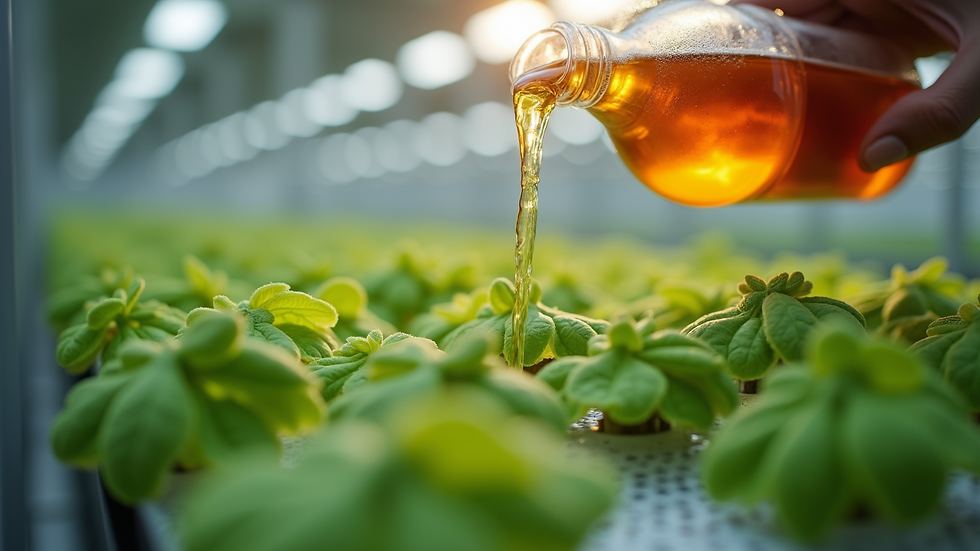
One key method is hydroponics. Hydroponics grows plants without soil, using nutrient-rich water instead. This system uses up to 90% less water than traditional farming. It also allows precise control over nutrients, leading to faster growth and higher yields.
Another method is aeroponics. Aeroponics suspends plant roots in air and sprays them with nutrient mist. This technique uses even less water than hydroponics and promotes strong root development. Both hydroponics and aeroponics reduce the need for pesticides because the environment is controlled.
Lighting is also crucial. LED grow lights are energy-efficient and can be tuned to emit specific light wavelengths. This helps plants photosynthesize better and saves electricity. Using renewable energy sources like solar panels can further reduce the carbon footprint of indoor farms.

Key Technologies Driving Sustainable Indoor Farming Methods
Technology plays a big role in making indoor farming sustainable. Automation and sensors help monitor and control the environment. This reduces human error and resource waste.
Sensors can track temperature, humidity, light, and nutrient levels in real time. Data from sensors allows farmers to adjust conditions quickly. For example, if humidity rises too high, ventilation can be increased automatically. This prevents mold and disease.
Automation systems can control irrigation and lighting schedules. This ensures plants get exactly what they need, no more and no less. Smart irrigation systems reduce water use by delivering water directly to roots. This avoids runoff and evaporation.
Vertical farming is another innovation. It stacks plants in layers, maximizing space in small areas. Vertical farms can be set up in urban locations, reducing transportation emissions. This method also allows for year-round production.
Robotics are emerging in indoor farming. Robots can plant seeds, prune plants, and harvest crops. This reduces labor costs and increases efficiency. Robots also work well in clean environments, maintaining hygiene standards.
Hydroponic Systems for Cannabis Cultivation
Hydroponics is especially useful for cannabis cultivation. It allows precise control over nutrients, which is critical for cannabis quality. Different strains have specific nutrient needs, and hydroponics can meet these exactly.
There are several types of hydroponic systems:
Nutrient Film Technique (NFT) - A thin film of nutrient solution flows over roots. This system is simple and uses little water.
Deep Water Culture (DWC) - Plants float on nutrient-rich oxygenated water. This promotes fast growth.
Drip Systems - Nutrient solution drips onto the base of each plant. This is efficient and scalable.
Ebb and Flow - The grow tray floods with nutrient solution and then drains. This cycles oxygen and nutrients.
Each system has pros and cons. Choosing the right one depends on space, budget, and crop goals. For small-scale growers, drip systems or NFT are often best. Larger operations may benefit from DWC or ebb and flow.
Maintaining water quality is vital. Regular testing and filtration prevent disease and nutrient imbalances. Using recycled water with proper treatment can reduce waste.
Energy Efficiency and Lighting Solutions
Energy use is a major concern in indoor farming. Lighting and climate control consume the most power. Choosing energy-efficient solutions is key to sustainability.
LED grow lights are the best option. They use less electricity than traditional HID or fluorescent lights. LEDs also produce less heat, reducing cooling needs. This lowers overall energy consumption.
Adjusting light spectra can improve plant growth. Cannabis plants respond well to red and blue light wavelengths. Using adjustable LEDs allows farmers to optimize light for different growth stages.
Climate control systems should be efficient. Using insulated grow rooms and automated ventilation reduces energy waste. Heat recovery systems can capture and reuse warm air.
Renewable energy sources like solar or wind power can offset electricity use. Installing solar panels on farm buildings is a practical step. This reduces reliance on fossil fuels and lowers operating costs.

Water Conservation and Nutrient Management
Water conservation is critical in sustainable indoor farming. Even though indoor systems use less water than traditional farming, efficient use is still necessary.
Recirculating hydroponic systems reuse water. This reduces total water consumption. However, water must be filtered and treated to prevent disease.
Rainwater harvesting can supplement water supply. Collecting rainwater reduces dependence on municipal sources. It also lowers water bills.
Nutrient management is equally important. Overuse of fertilizers can harm plants and the environment. Using precise nutrient formulas tailored to cannabis helps avoid waste.
Organic nutrient sources are gaining popularity. They improve soil and plant health without synthetic chemicals. Compost teas and fish emulsions are examples.
Regular monitoring of nutrient levels ensures plants get what they need. Automated dosing systems can adjust nutrient delivery based on sensor data.
Practical Tips for Small-Scale Growers
For small-scale growers, sustainable indoor farming is achievable with the right approach. Here are some practical tips:
Start with a simple hydroponic system like NFT or drip irrigation.
Use LED grow lights to save energy.
Monitor environmental conditions with affordable sensors.
Reuse water with filtration to reduce waste.
Choose organic nutrients when possible.
Keep the grow area clean to prevent pests and diseases.
Consider vertical farming to maximize space.
Use renewable energy sources if available.
These steps help reduce costs and environmental impact. They also improve crop quality and consistency.
Future Trends in Sustainable Indoor Farming
The future of indoor farming looks promising. Advances in technology will make systems more efficient and affordable. Artificial intelligence (AI) will play a bigger role in managing farms.
AI can analyze sensor data to predict plant needs and detect problems early. This allows proactive management and reduces losses.
New materials for grow lights and sensors will improve energy efficiency. Innovations in water treatment will make recycling easier.
Urban farming will expand, bringing fresh produce closer to consumers. This reduces transportation emissions and supports local economies.
Sustainable indoor farming methods will continue to evolve. They offer a viable solution for growing cannabis and other crops responsibly.
Embracing Sustainable Practices for Long-Term Success
Sustainable indoor farming is not just a trend. It is a necessary shift for responsible agriculture. By adopting innovative solutions, growers can protect resources and improve yields.
At Greenfields Farmers, we believe in combining tradition with innovation. Our passion for quality and sustainability drives us to explore new methods. We also support fellow growers by offering advanced hydroponic solutions from Terra Aquatica.
Sustainable indoor farming methods help us meet the needs of today without compromising the future. They ensure that cannabis cultivation remains viable, ethical, and environmentally friendly.
By focusing on efficiency, technology, and care, we can build a better farming future. This benefits growers, consumers, and the planet alike.


Comments