
Understanding Hydroponic Growing Solutions: A Soil-Free Growing Method

Growing plants without soil is not a new idea, but it is gaining more attention today. Hydroponic growing solutions offer a way to cultivate plants using nutrient-rich water instead of traditional soil. This method can be efficient, clean, and adaptable to many environments. I want to share what I have learned about this approach and how it can benefit growers, especially those interested in sustainable and controlled agriculture.
What Are Hydroponic Growing Solutions?
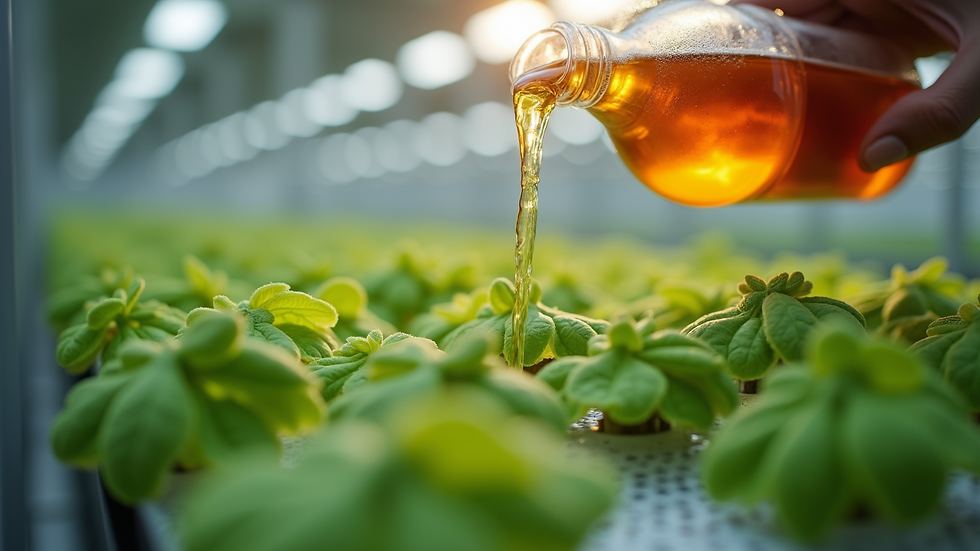
Hydroponic growing solutions refer to the nutrient mixtures used to feed plants in a soil-free system. These solutions contain all the essential minerals and elements plants need to grow. Instead of drawing nutrients from soil, plants absorb them directly from the water. This allows for precise control over what the plants receive.
The main components of a hydroponic solution include:
Nitrogen (N)
Phosphorus (P)
Potassium (K)
Calcium (Ca)
Magnesium (Mg)
Trace elements like iron, manganese, zinc, copper, and boron
These nutrients are dissolved in water at specific concentrations. The solution is then circulated or delivered to the plant roots through various hydroponic systems such as nutrient film technique (NFT), deep water culture (DWC), or drip irrigation.
Using hydroponic growing solutions can lead to faster plant growth and higher yields. The roots get direct access to nutrients and oxygen, which can improve efficiency. It also reduces the risk of soil-borne diseases and pests.

Benefits of Hydroponic Growing Solutions for Sustainable Farming
Hydroponic growing solutions support sustainable farming in several ways. First, they use water more efficiently than traditional soil farming. Water in hydroponic systems is recirculated, reducing waste. This is important in areas where water is scarce or expensive.
Second, hydroponic systems can be set up indoors or in greenhouses. This allows for year-round growing regardless of weather or soil quality. It also means less land is needed, which helps preserve natural habitats.
Third, hydroponic growing solutions reduce the need for chemical pesticides and herbicides. Since there is no soil, many pests and weeds are less of a problem. This leads to cleaner, safer crops.
For cannabis growers, these benefits are especially valuable. Controlled environments and precise nutrient delivery can improve the quality and consistency of the plants. It also helps meet regulatory standards for medical cannabis production.

What Are Three Common Mistakes People Make When Growing Hydroponically?
Growing plants hydroponically is not without challenges. Here are three common mistakes I have seen or experienced:
Poor Nutrient Management
Using the wrong nutrient mix or not monitoring nutrient levels can harm plants. Nutrient imbalances cause deficiencies or toxicities. It is important to test and adjust the solution regularly.
Inadequate Oxygen Supply to Roots
Roots need oxygen to absorb nutrients effectively. In some systems, water can become stagnant or oxygen-poor. Using air pumps or ensuring good water circulation helps prevent root rot and promotes healthy growth.
Ignoring pH Levels
The pH of the nutrient solution affects nutrient availability. Most plants prefer a pH between 5.5 and 6.5. If the pH drifts outside this range, plants may not absorb nutrients properly. Regular pH testing and adjustment are necessary.
Avoiding these mistakes requires attention and care. Using quality equipment and following best practices can improve success rates.
How to Set Up a Basic Hydroponic System
Setting up a hydroponic system can be simple or complex depending on your goals. Here is a basic outline for a beginner-friendly setup:
Choose a System Type
For beginners, deep water culture (DWC) or nutrient film technique (NFT) systems are good options. They are easy to build and maintain.
Prepare the Growing Container
Use a container that holds the nutrient solution and supports the plants. Net pots with growing media like clay pellets or rockwool help anchor roots.
Mix the Nutrient Solution
Purchase a hydroponic nutrient mix or prepare your own. Follow instructions carefully to get the right concentration.
Set Up Aeration
Use an air pump and air stones to oxygenate the water. This keeps roots healthy.
Monitor pH and Nutrient Levels
Use a pH meter and TDS (total dissolved solids) meter to check the solution regularly. Adjust as needed.
Provide Adequate Lighting
If growing indoors, use LED grow lights or other suitable lighting to support photosynthesis.
Plant and Maintain
Place seedlings or clones in the net pots. Check the system daily for water levels, nutrient concentration, and plant health.
This setup can be scaled up or modified for different crops, including cannabis.
Practical Tips for Successful Hydroponic Growing
From my experience and research, here are some practical tips to improve your hydroponic growing results:
Start Small: Begin with a small system to learn the basics before expanding.
Keep Records: Track nutrient mixes, pH, water temperature, and plant growth. This helps identify problems early.
Use Quality Water: Tap water may contain chlorine or other chemicals. Use filtered or distilled water if possible.
Maintain Cleanliness: Clean your system regularly to prevent algae and pathogens.
Control Environment: Maintain stable temperature and humidity levels for optimal growth.
Choose Suitable Plants: Some plants adapt better to hydroponics. Leafy greens, herbs, and cannabis are good candidates.
By following these tips, you can increase your chances of success and enjoy the benefits of soil-free growing.
Exploring Hydroponics for Cannabis Cultivation
Cannabis cultivation benefits greatly from hydroponic growing solutions. The ability to control nutrients and environment leads to consistent, high-quality yields. Hydroponic systems also reduce the risk of contamination and pests, which is critical for medical cannabis users.
For Thai cannabis farmers, hydroponics offers a way to grow year-round despite seasonal changes. It also uses less water and land, aligning with sustainable farming goals. Using hydroponic solutions from trusted suppliers like Terra Aquatica can support growers with reliable products and advice.
If you want to explore hydroponics further, consider joining local grower groups or attending workshops. Hands-on experience and community support are invaluable.
Hydroponic growing solutions provide a practical, efficient way to grow plants without soil. They offer benefits in water use, space efficiency, and crop quality. By understanding the basics and avoiding common mistakes, growers can successfully adopt this method. Whether for cannabis or other crops, hydroponics is a valuable tool for modern agriculture.
For more detailed information, visit hydroponics.


Comments